
The Horizon
Tuesday, November 10, 8:30 a.m. ET: the Bureau of Labor Statistics publishes the October Consumer Price Index, and beside it a smaller release called Real Earnings. Most coverage will treat that second release as a footnote.
It is the half of Friday's jobs report that has not printed yet. The payroll count showed how many people were hired in October, and Tuesday shows whether the raise inside your paycheck outran prices.
For a builder fifteen years out, the second number matters more than the first. Hiring sets the size of the economy's income base, while real pay sets how much of that income can be saved and compounded.
The Event
The BLS Employment Situation for October, released Friday, November 6, reported that nonfarm payrolls rose by 165,000. The average monthly gain over the prior 12 months was 48,000.
The two prior months were revised up: August by 53,000 to 186,000, and September by 31,000 to 60,000. Across the last three months, payrolls now average about 137,000, nearly three times the yearly pace.
Private employers added 159,000 jobs. Professional and business services added 70,000, health care 42,000, transportation and warehousing 25,000 and manufacturing 19,000, while leisure and hospitality lost 13,000.
The unemployment rate slipped to 4.1% from 4.2%, inside the 4.1% to 4.3% band it has held since March. The household survey showed the labor force grew by 421,000 and employment by 463,000, so new workers were absorbed rather than left idle.
Average hourly earnings rose 14 cents, or 0.4%, to $38.00, and 3.1% over the year. The through-line of the week is that wage figure set against the 3.6% yearly rise in the PCE price index for September, which BEA reported on October 29.
Sponsored
Musk says UBI is coming. I say it's already here.
In his most recent interview with The Economist, Elon Musk said that because of AI "money will be irrelevant by the year 2036."
I can see that happening too.
AI is already displacing millions of jobs.
One report says 40% of all jobs could be automated within the next decade.
When that happens, the government will have no choice but to pay people some sort of Universal Basic Income.
But this could take 20 years to materialize
So while Musk tweets and Congress holds hearings, what are you supposed to do? Wait?
I don't think so.
But you don't have to. Universal Income already exists.
It's not funded by robots or AI. It's funded by America's oil and gas infrastructure, and it pays 10% a year, 42 times a year, to everyone who holds units.
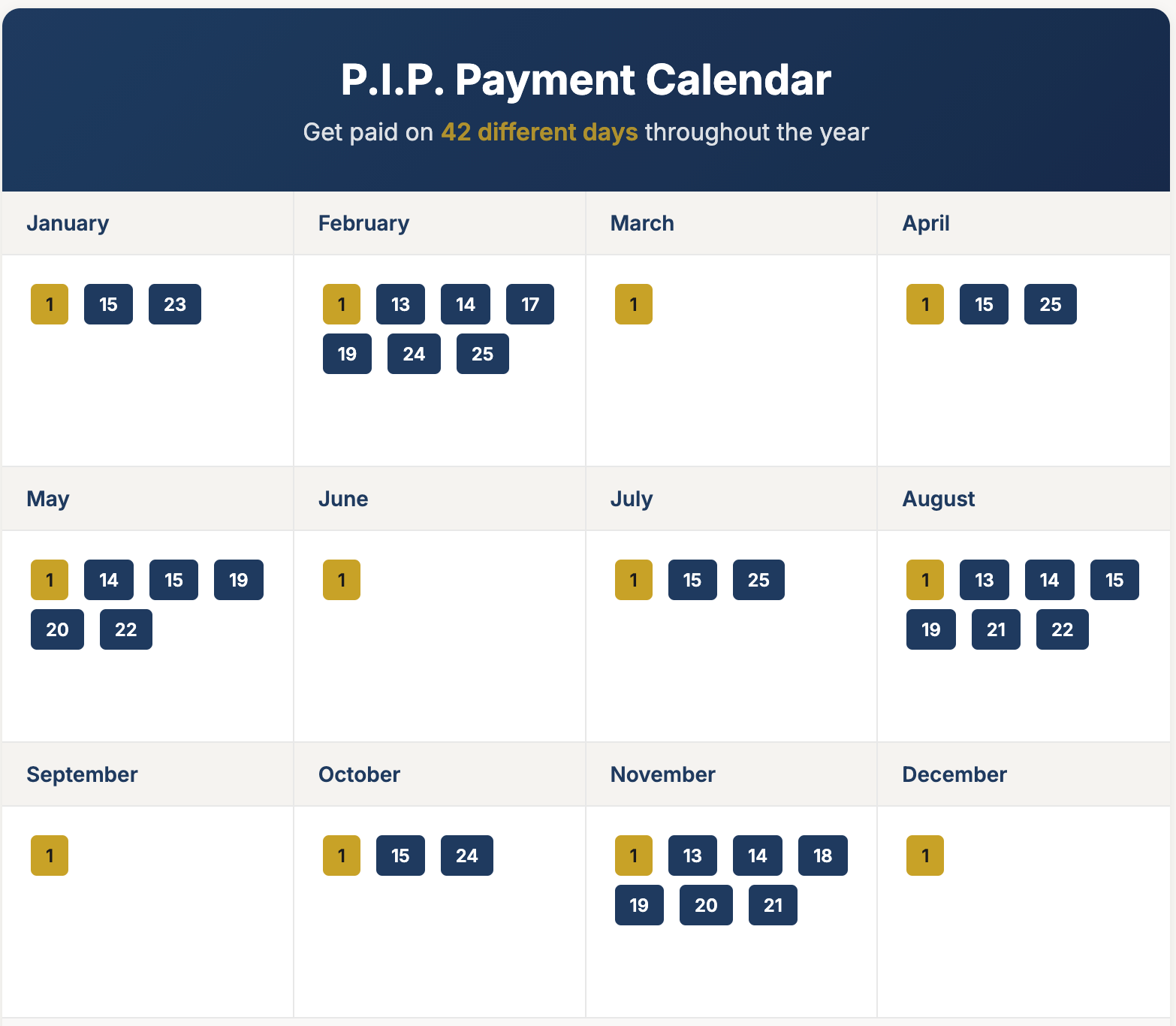
It's called the Patriot Income Plan, or P.I.P. for short.
And this year it's expected to pay a record $53 billion in distributions.
Think of it as your own personal sovereign wealth fund, backed by the biggest energy producer on planet earth.
| Enroll in P.I.P. before the next payout |
P.S. Since 2020, the average partnership in P.I.P. has produced 20% avg. annual gains. That's in addition to the 10% yield. One investor already collects $4,800 a month. Another hasn't worked in years. Show me something better. I'll wait.
[Enroll in P.I.P. →]
The Path
The first consequence lands on rates, where the Fed held its target range at 3.75% to 4% on October 28. A 165,000 print removes the labor-market argument for an early cut.
That keeps the reinvestment rate on Treasury bills, money market funds and maturing ladder rungs elevated for longer. Cash held in a brokerage account for a 2027 purchase earns that rate while it waits.
The second consequence reaches business capital through the monthly wage line. Fourteen cents on the prior $37.86 is roughly 0.37%, or about 4.5% a year if that pace compounds.
That runs well above the 3.1% annual figure. Production and nonsupervisory pay rose 12 cents to $32.75 in the same month.
An owner budgeting 2027 payroll for hourly staff on the yearly number understates the cost.
The revisions carry the third consequence, and most coverage skipped them. August and September together stood at 162,000 jobs in last month's report and now stand at 246,000.
A labor base 84,000 jobs larger than first counted supports revenue at the companies a long-held index fund owns. It also marks the 48,000 average as a soft stretch the last three months have moved away from, not the trend a fifteen-year plan should anchor on.
The fourth consequence sits inside the retirement account, where contributions come out of real pay. Hourly earnings up 3.1% against PCE inflation of 3.6% means each dollar contributed this year bought slightly less than a year earlier.
A 401(k) deferral set as a percentage of pay rises with wages automatically. A fixed-dollar contribution to an IRA or taxable account loses purchasing power in every month that prices outrun pay.
The useful step before Tuesday is to set 3.1% wage growth beside the inflation rate assumed in a retirement projection. A plan that assumes pay outruns prices by a full point rests on a gap the latest data does not show.
The Watch
Tuesday, November 10, 8:30 a.m. ET: the BLS Consumer Price Index for October and Real Earnings for October, per the bureau's published release schedule. A yearly CPI rate above 3.1% would confirm that hourly pay is still trailing prices.
Wednesday, November 11 is Veterans Day, and the BLS schedule lists no release. Friday, November 13, 8:30 a.m. ET: the BLS Producer Price Index for October, the first read on whether business input costs are climbing alongside the wage bill.
The next Employment Situation, covering November, is scheduled by the BLS for December 4 at 8:30 a.m. ET. A second month well above 48,000 would turn October from an outlier into a trend.
A builder enters the week knowing that hiring has firmed and pay is rising, and that Tuesday's inflation print decides how much of that raise is real.