
The Horizon
$8,000 a year is the fee bill in 2040 on a $1 million portfolio whose funds cost a blended 0.80%, against $500 at 0.05%.
The $7,500 gap between those two figures is set fund by fund, inside the accounts you are funding now.
BlackRock reported on Wednesday, October 14, where $205 billion of new client money went last quarter. The same release shows which products earn the firm the most for each dollar it manages.
That answer points to the next products headed for retirement plan menus.
The Event
BlackRock released third-quarter 2026 results on October 14 and furnished them to the SEC on Form 8-K. Assets under management reached $15.5 trillion at September 30, after $205.5 billion of quarterly net inflows and $869 billion over twelve months.
iShares ETFs took $134.5 billion of those inflows, about two-thirds. ETFs held $6.36 trillion, 41% of firm assets, and produced 46% of base fees and securities lending revenue.
Private markets drew $15.3 billion. They hold $336 billion, just 2% of assets, yet generated 11% of base fees and securities lending revenue.
Cash management added $30.7 billion, reaching $1.10 trillion. Securities lending revenue rose to $253 million from $203 million a year earlier, which the company attributed to higher spreads and larger balances on loan.
Chairman and CEO Laurence Fink cited $68 billion raised in private markets over twelve months. In the release he described a pipeline spanning whole portfolio, private markets, retirement and international platforms.
Sponsored
Musk says UBI is coming. I say it's already here.
In his most recent interview with The Economist, Elon Musk said that because of AI "money will be irrelevant by the year 2036."
I can see that happening too.
AI is already displacing millions of jobs.
One report says 40% of all jobs could be automated within the next decade.
When that happens, the government will have no choice but to pay people some sort of Universal Basic Income.
But this could take 20 years to materialize
So while Musk tweets and Congress holds hearings, what are you supposed to do? Wait?
I don't think so.
But you don't have to. Universal Income already exists.
It's not funded by robots or AI. It's funded by America's oil and gas infrastructure, and it pays 10% a year, 42 times a year, to everyone who holds units.
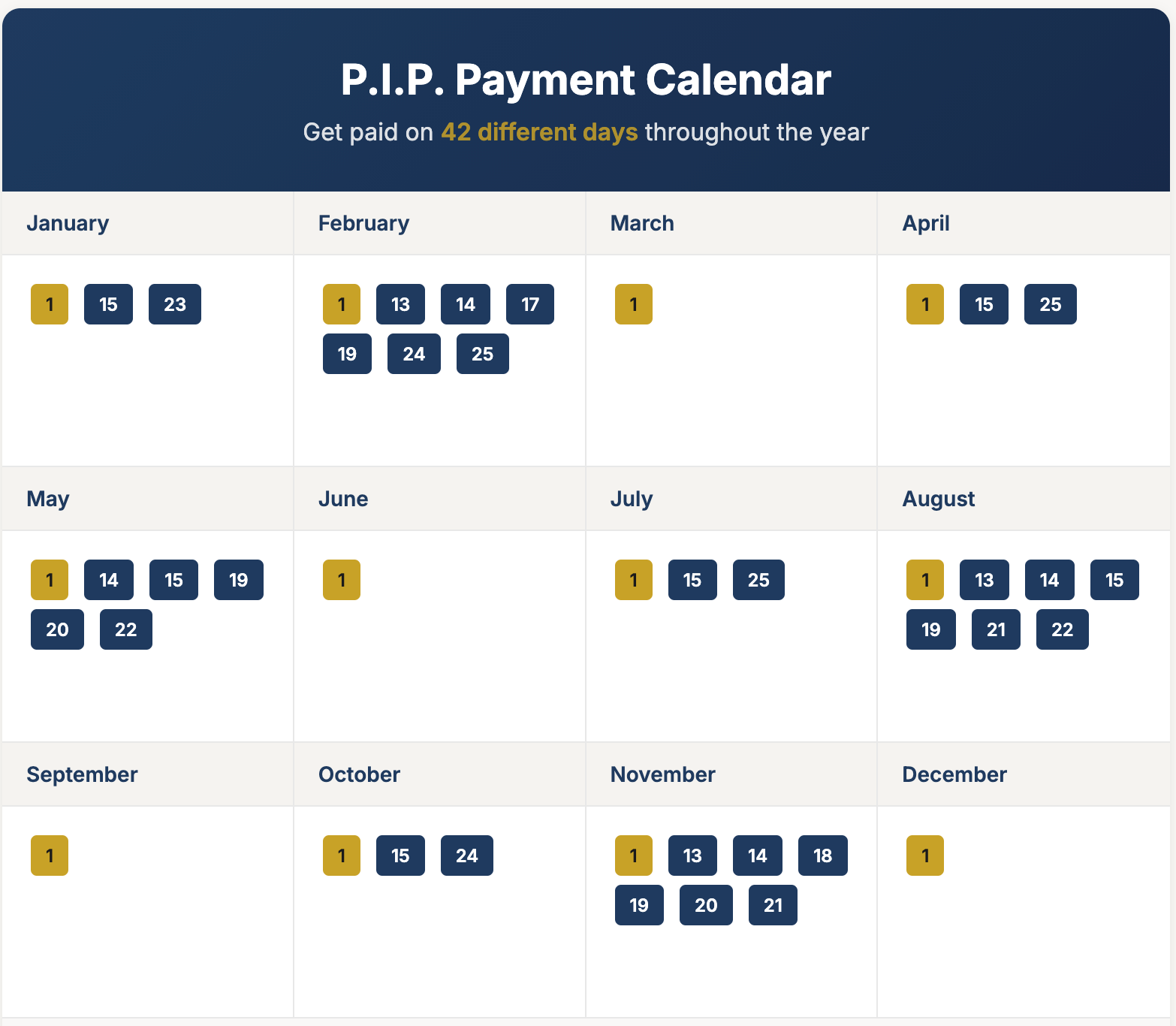
It's called the Patriot Income Plan, or P.I.P. for short.
And this year it's expected to pay a record $53 billion in distributions.
Think of it as your own personal sovereign wealth fund, backed by the biggest energy producer on planet earth.
Enroll in P.I.P. before the next payout
P.S. Since 2020, the average partnership in P.I.P. has produced 20% avg. annual gains. That's in addition to the 10% yield. One investor already collects $4,800 a month. Another hasn't worked in years. Show me something better. I'll wait.
[Enroll in P.I.P. →]
The Path
Taxable brokerage accounts carry the first consequence. ETFs usually meet redemptions by delivering shares in kind, which allows the fund to shed low-basis lots without realizing gains.
For index exposure held outside an IRA, that mechanism defers capital gains tax until the builder decides to realize it. Inside a 401(k) the same feature is worth nothing, so the wrapper matters most where the tax bill is live.
The second consequence is the non-obvious one. Private markets earn BlackRock 11% of its fee and lending revenue on 2% of assets, roughly five times the firm-wide rate per dollar on period-end assets.
That ratio explains the push toward workplace plans. The Labor Department's March 30 proposal would give 401(k) fiduciaries a process-based safe harbor for adding private equity, private credit and real estate to plan menus.
When a private sleeve enters a target-date fund, the blended expense ratio rises with it. The prospectus fee table is where that change shows first, well before it appears in an allocation chart.
Liquidity is the third consequence. Cliffwater Corporate Lending Fund capped third-quarter repurchases at 5% after investors sought about 16%, honoring roughly one-third of requests, Bloomberg reported September 3.
A capped exit weighs most near the horizon, when required minimum distributions and planned withdrawals need cash on fixed dates. Liquid holdings sized to cover those dates keep a quarterly gate from setting the withdrawal schedule.
The fourth consequence sits inside the index fund itself. Securities lending revenue rose 25% year over year, which means the shares held inside its funds are earning more while out on loan.
Part of that income is credited back to the fund and offsets its expense ratio, while the manager keeps the rest. A fund's statement of additional information discloses that income and the lending agent's fees, which can separate two funds with identical stated fees.
Taken together, the filing shows index ETFs absorbing most of the money while the highest-fee layer moves steadily toward retirement plans. Cost per dollar now varies more by product shelf than by fund manager.
The Watch
Signal one is the Labor Department's final rule on alternatives in 401(k) plans. Comments closed June 1, and publication of the final text would start plan sponsors' menu reviews.
The second is the SEC's September 30 interval fund proposal, Release 33-11444, open for comment for 60 days after Federal Register publication. It would permit monthly repurchase intervals and defer a new fund's first repurchase offer by up to two years.
The third is fourth-quarter tender results at the large private credit funds, reported after year-end. Requests above the 5% cap would show exit demand still running ahead of the liquidity these structures provide.
The builder now knows which shelf carries the manager's richest margin, and the fee table on each retirement fund menu is where that knowledge pays first.