
The Horizon
American factories paid more for materials in September than in any month this year except one. The index that counts it printed 77.9.
That is a brick, and a heavy one. The long-run reading for this series sits near 52.
It is also a brick that has not landed yet. What a purchasing manager pays in September becomes a shelf price several quarters later, which is why this number means more to you than to anyone trading this week.
Nothing in it is a forecast. It is a count of invoices that have already been signed.
The Event
The Institute for Supply Management published its September manufacturing report on Thursday, October 1, at 10:00 a.m. Eastern. The headline PMI came in at 54.5%, a tenth below August and short of a consensus near 55.0%.
That marks the ninth consecutive month of expansion in manufacturing and the twenty-third for the broader economy. The headline has been steady while the components underneath it have not.
The prices index rose 6.8 points to 77.9%, from 71.1% in August. Consensus had looked for 72.3%, and the long-run average for the series sits near 52%.
Demand strengthened in the same month. New orders rose 1.6 points to 55.3% and the backlog of orders rose 4.6 points to 56.4%.
The rest was mixed. Production fell 1.6 points to 56.7%, employment rose 1.5 points to 52.7%, and customers' inventories fell 1.2 points to 41.6%.
Sponsored
Musk says UBI is coming. I say it's already here.
In his most recent interview with The Economist, Elon Musk said that because of AI "money will be irrelevant by the year 2036."
I can see that happening too.
AI is already displacing millions of jobs.
One report says 40% of all jobs could be automated within the next decade.
When that happens, the government will have no choice but to pay people some sort of Universal Basic Income.
But this could take 20 years to materialize.
So while Musk tweets and Congress holds hearings, what are you supposed to do? Wait?
I don't think so.
But you don't have to. Universal Income already exists.
It's not funded by robots or AI. It's funded by America's oil and gas infrastructure, and it pays 10% a year, 42 times a year, to everyone who holds units.
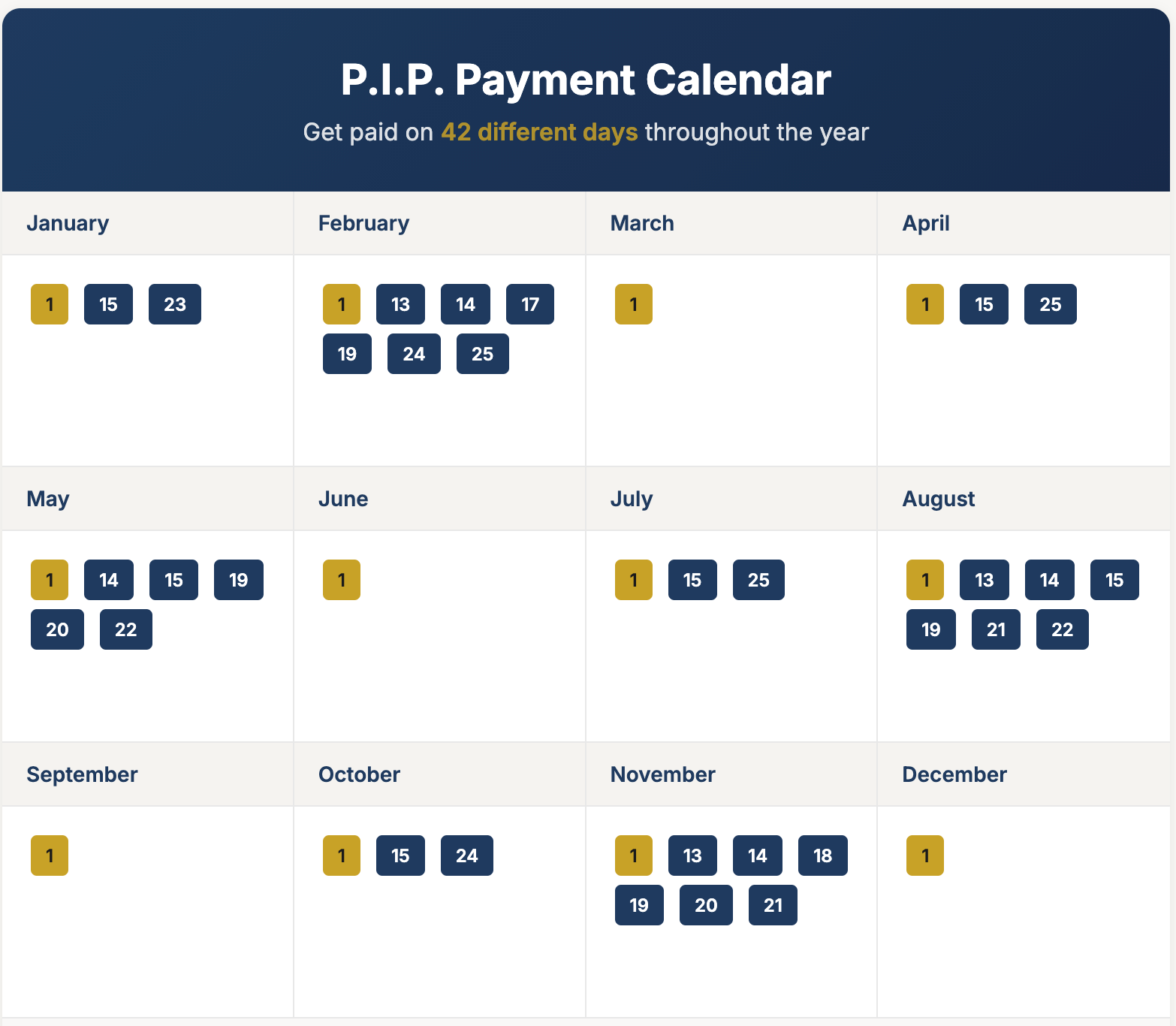
It's called the Patriot Income Plan, or P.I.P. for short.
And this year it's expected to pay a record $53 billion in distributions.
Think of it as your own personal sovereign wealth fund, backed by the biggest energy producer on planet earth.
Enroll in P.I.P. before the next payout
P.S. Since 2020, the average partnership in P.I.P. has produced 20% avg. annual gains. That's in addition to the 10% yield. One investor already collects $4,800 a month. Another hasn't worked in years. Show me something better. I'll wait.
[Enroll in P.I.P. →]
The Path
A diffusion index counts firms rather than dollars. At 77.9 the overwhelming majority of purchasing managers paid more in September than in August, and the reading says nothing at all about how much more.
Breadth is the part that matters here. A cost increase reaching almost every firm in a sector behaves differently from one concentrated in a few, because nobody is left in a position to undercut it and the competitive discipline that normally caps a price rise simply is not there.
This is also the earliest reading in the chain. A September invoice becomes a producer price, then a wholesale price, then a number on a shelf, across quarters rather than weeks.
So 77.9 describes 2027 rather than this autumn. The consumer price figures a builder read last week were settled before this index moved, and the ones that will carry this reading have not been collected yet.
The second reading is that demand did not flinch. New orders climbed to 55.3% and backlog to 56.4% in the same month input costs jumped almost seven points.
Cost increases get absorbed when order books are shrinking and passed forward when they are not. September was the second case, which routes the increase toward the customer rather than into the margin.
Customers' inventories at 41.6% take away the usual brake. A contracting reading there means buyers are short of stock and cannot wait out a price rise by drawing down what they already hold.
The consequence outside the brokerage account arrives as a quotation. A builder buying materials or machinery for a company he owns sits on the receiving end of that 77.9.
Whatever he signs in October reflects what his supplier paid in September. The index is not an opinion about his costs, it is a tally of the invoices behind them.
One line pushed the other way. Production fell 1.6 points to 56.7%, which is slower expansion rather than contraction, and it is the only component arguing the cost pressure has started to bite.
The Watch
The ISM services report follows on Monday, October 5, at 10:00 a.m. Eastern. Services are the larger share of the economy and the report carries its own prices index, which is the one to set beside today's 77.9.
The September producer price index is due on October 15. It is the first government measure of what this survey anticipates, and whether it appears on schedule depends on federal funding.
The prices index itself is the threshold. March printed 78.3% and September came within four tenths of it, so an October reading above that mark would make this the most expensive stretch of the cycle for anyone buying manufactured goods.
A price paid in September is a price charged later, and the index that counts those payments spent the month climbing back toward its high for the year.